
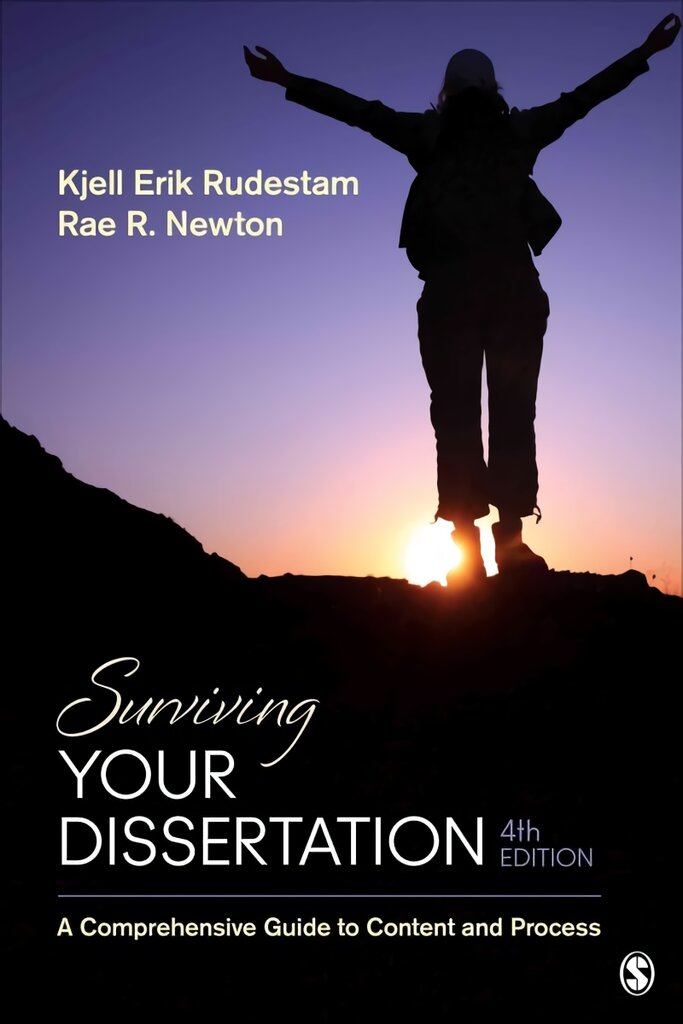


Perfect for graduate students as well as behavioral and social scientists who supervise and conduct research! In the fully updated Fourth Edition of their best-selling guide, Surviving Your Dissertation, Kjell Erik Rudestam and Rae R. Newton answer questions concerning every stage of the dissertation process, including selecting a suitable topic, conducting a literature review, developing a research question, understanding the role of theory, selecting an appropriate methodology and research design, analyzing data, and interpreting and presenting results. In addition, this must-have guide covers topics that other dissertation guides often miss, such as the many types of quantitative and qualitative research models available, the principles of good scholarly writing, how to work with committees, how to meet IRB and ethical standards, and how to overcome task and emotional blocks. With plenty of current examples, the new edition features an expanded discussion of online research, data collection and analysis, and the use of data archives, as well as expanded coverage of qualitative methods and added information on mixed methods.
Daugiau prekių iš šios kategorijos
- Comprehensive Guidance for Dissertation Process: The guide addresses every stage of completing a dissertation, from selecting a topic to analyzing data and presenting results, making it essential for graduate students and researchers.
What are the key topics covered in the latest edition of ‘Surviving Your Dissertation’?
The latest edition covers selecting a suitable topic, conducting a literature review, developing research questions, understanding theory, choosing research methodologies, analyzing data, and interpreting and presenting results, along with discussions on ethical standards, working with committees, and using various research methods including online research and data archives.


