
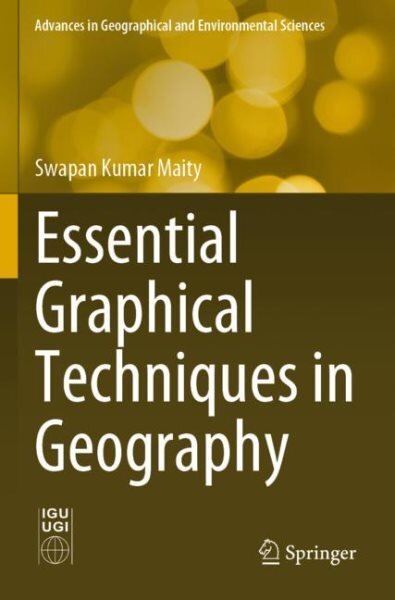


Representation of geographical data using graphs, diagrams and mapping techniques is a key for geographers and for researchers in other disciplines to explore the nature of data, the pattern of spatial and temporal variations and their relationships, and formulation of principles to accurately understand and analyze features on or near the earth’s surface. These modes of representation also enable the development of spatial understanding and the capacity for technical and logical decision making. The book depicts all types of graphs, diagrams and maps, explained in detail with numerous examples. The emphasis is on their appropriate data structure, the relevance of selecting the correct technique, methods of their construction, advantages and disadvantages of their use, and applications of these techniques in analyzing and realizing the spatial pattern of various geographical features and phenomena. This book is unique in that it reflects a perfect correlation between theoretical knowledge of geographical events and phenomena and their realistic implications, with relevant examples using appropriate graphical methods. The book serves as a valuable resource for students, researchers, cartographers and decision makers to analyze and represent various geographical data for a better, systematic and scientific understanding of the real world.
Daugiau prekių iš šios kategorijos
- Representation of Geographical Data: Using graphs, diagrams, and mapping techniques is essential for geographers and researchers to analyze spatial and temporal variations and understand geographical features.
What is the importance of representing geographical data through graphs, diagrams, and maps?
Representing geographical data through graphs, diagrams, and maps is crucial for analyzing spatial and temporal variations, understanding the relationships between features, and developing the capacity for technical and logical decision-making in geographical studies.


